Recent ICE airport arrests have made it clear that a routine domestic flight may not be as routine as it used to be for people without permanent immigration status. Changes in how federal agencies share passenger information mean airports have become a more active point of immigration enforcement — and the people affected go beyond who you might expect. Here’s what’s changed, who it affects, and what’s generally understood about your rights.
This article is for general informational purposes only and does not constitute legal advice. Immigration enforcement situations are highly fact-specific, and the right course of action depends on your individual circumstances, including your immigration status, history, and case details. If you have questions about your own situation, please consult with an immigration attorney directly.
Table of Contents
What’s Changed: Recent ICE Airport Arrests Have Expanded
Domestic air travel within the United States has historically been low-risk from an immigration enforcement standpoint. As long as a person didn’t have a criminal record or an outstanding deportation order, flying between U.S. cities generally wasn’t something that triggered immigration action — even for people without permanent legal status.
That’s no longer the case.
Immigration and Customs Enforcement (ICE) and the Transportation Security Administration (TSA) have significantly expanded how much passenger information they share with each other. TSA now regularly flags travelers to ICE — not just people with existing deportation orders, but also people with expired visas or other civil immigration matters. This shift stems from a formal information-sharing agreement between the two agencies, made public earlier this summer by a nonpartisan watchdog organization.

What makes this different from past enforcement is who is now being targeted. Immigration attorneys report that people being detained at airports increasingly include:
- People who entered the country legally but have since overstayed a visa
- People with pending immigration cases, including pending asylum applications
- People who currently hold valid work permits
That last point matters, because it surprises a lot of people: having a pending application or a valid work permit does not, on its own, mean someone has permanent legal status. Homeland Security has stated directly that a pending application or work authorization does not confer legal status — which is part of why people who believed they were following the process correctly have still been detained.
Arrests under this expanded approach have happened at multiple points during travel — at security checkpoints, at the gate, on the jet bridge, and in at least one case, after landing, when a passenger was approached before deplaning. This has occurred at airports in numerous states, not as an isolated or one-off practice.
Who Is Most at Risk From ICE Airport Enforcement?
Not everyone faces the same level of risk from ICE airport arrests, and it’s important to be clear about that instead of suggesting this affects all immigrants equally. This is general information only — every situation is different, and specific questions should be directed to an attorney.

U.S. Citizens
This type of enforcement generally does not apply to U.S. citizens, including naturalized citizens.
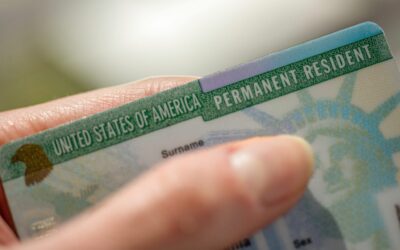
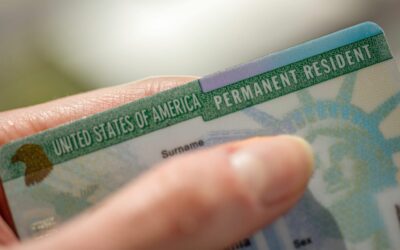
Green Card Holders (Lawful Permanent Residents)
Lawful permanent residents generally face lower risk under this type of enforcement, since permanent residency is not affected by it. However, certain circumstances — such as an existing removal order, certain criminal history, or an extended absence from the U.S. that could raise questions about residency — can complicate matters even for green card holders. Anyone in these circumstances may want to speak with an attorney before traveling.
Valid Non-Immigrant Visa Holders
Individuals with a currently valid, unexpired visa generally face lower risk, provided their status remains current. It’s generally a good practice to confirm your visa’s actual expiration date rather than relying on memory.
Individuals With Pending Immigration Cases
Individuals with a pending case — such as a pending asylum application or pending adjustment of status — are generally understood to face increased risk under this expanded enforcement approach. A pending case, on its own, does not confer permanent legal status, even while the case is actively being processed.
Individuals With Valid Work Permits, but No Permanent Status
Similarly, a valid work permit authorizes employment but does not, on its own, confer legal immigration status or protection from this type of enforcement.
Individuals Without Current Legal Status
Individuals without current legal status are generally understood to face the most direct risk under this enforcement approach. Anyone in this situation may want to speak with an attorney about their specific circumstances before making travel plans.
What Are Your Rights If ICE Stops You at the Airport?
Regardless of immigration status, certain legal protections generally apply to anyone in the United States during an encounter with law enforcement, including ICE. The information below reflects rights that are broadly recognized under U.S. law — it is not a substitute for advice about your specific situation.
The Right to Remain Silent
Generally, individuals in the United States are not required to answer questions about their immigration status, place of birth, or how they entered the country. Many immigration attorneys advise that if someone chooses to exercise this right, they can state it clearly and calmly — for example, by saying they wish to remain silent.
The Right to Ask Whether You’re Free to Leave
If a person is not being detained, they are generally free to go. Asking whether you are free to leave is a common and reasonable way to understand the nature of an encounter.
The Right to Speak With an Attorney
Individuals generally have the right to speak with an attorney before answering questions related to their immigration status. Many attorneys recommend clearly stating a request to speak with legal counsel before continuing any conversation.
The Right Not to Sign Unexplained Documents
Individuals are generally not required to sign documents they don’t understand, particularly documents related to an immigration case. Some documents can waive significant legal rights, including the right to appear before an immigration judge, so understanding anything before signing it is important.
Remaining Calm During Any Encounter
Immigration attorneys generally advise against physical resistance during an encounter, even if it feels unfair or mistaken, since resistance can create additional legal complications. Addressing concerns afterward, through an attorney, is generally the recommended path.
Carrying Documentation
Individuals with valid immigration documents, such as a green card, valid visa, or employment authorization card, may choose to carry them. Having documents does not require a person to answer every question they may be asked.
How to Prepare Before You Fly
The following reflects general practices that immigration attorneys commonly discuss with clients. It is not a personalized recommendation, and individual circumstances may call for a different approach.
- Understanding your own case status — knowing where your case currently stands, and whether anything about your situation has recently changed, is generally considered a useful starting point before travel.
- Carrying relevant documentation — individuals with valid immigration documents may choose to carry them.
- Knowing how to reach an attorney — having an attorney’s contact information readily available is a common practice many people find helpful.
- Informing a trusted contact of travel plans — some individuals choose to let a family member or trusted contact know their travel itinerary in advance.
- Speaking with an attorney beforehand, if there are open questions — for anyone with a pending case, an expired visa, or general uncertainty about their status, addressing questions with an attorney before travel is generally advisable.
What to Expect During an ICE Encounter
If an encounter with immigration officials occurs, the general rights outlined earlier in this article continue to apply. Beyond those, a few additional considerations are commonly discussed among immigration attorneys:
- Asking for identification — It is generally reasonable to ask officials to identify themselves and the agency they represent.
- Requesting to see a warrant, if one is presented as the basis for an arrest — Understanding the nature of any document presented is generally advisable before responding to it.
- Avoiding providing false documents or false information — Doing so can create significant additional legal complications.
- Contacting an attorney as soon as reasonably possible following any encounter.
Why This Keeps Changing — and What to Watch For
Immigration enforcement practices, including the policies discussed in this article, continue to evolve. The general information above reflects circumstances as of the time of publication and may not reflect subsequent changes. For current, personalized guidance, consulting directly with an immigration attorney is strongly recommended.
We’re Here to Help
If you have questions about your immigration status, an upcoming trip, or a pending case, our team is available to help you understand your specific situation.
Frequently Asked Questions
Can ICE arrest someone at the airport for an expired visa?
Generally, yes. Reporting indicates that ICE has expanded its airport enforcement to include people who entered the country legally but have since overstayed a visa, in addition to people with existing deportation orders. This represents a change from prior practice. Individual circumstances vary, so anyone with an expired or uncertain visa status should consider speaking with an attorney before traveling.
Do I have to answer TSA or ICE questions about my immigration status?
Generally, individuals in the United States are not required to answer questions about their immigration status. Many immigration attorneys advise that a person can choose to exercise their right to remain silent regarding these questions. This is general information, not personalized legal advice — how someone chooses to respond in a specific encounter depends on their own circumstances.
Is it safe to fly domestically if I have a pending immigration case?
This depends heavily on individual circumstances, so it isn’t possible to answer generally with certainty. Reporting indicates that people with pending cases, including pending asylum applications, have increasingly been affected by this expanded enforcement — a pending case does not, on its own, confer permanent legal status. Anyone with a pending case who is considering travel may want to speak with an attorney about their specific situation beforehand.
What should I do if ICE stops me at the airport?
Generally recognized rights apply in this situation, including the right to remain silent and the right to speak with an attorney before answering questions. Many immigration attorneys advise remaining calm and avoiding physical resistance, regardless of the circumstances. Every situation is different, and consulting an attorney afterward — or beforehand, if possible — is generally recommended.
Does a green card protect me from this kind of enforcement?
Generally, lawful permanent residents face lower risk under this type of enforcement, since permanent residency itself isn’t affected by it. However, certain circumstances, such as an existing removal order or certain criminal history, can complicate matters even for green card holders. Anyone with questions about their specific situation should speak with an attorney.